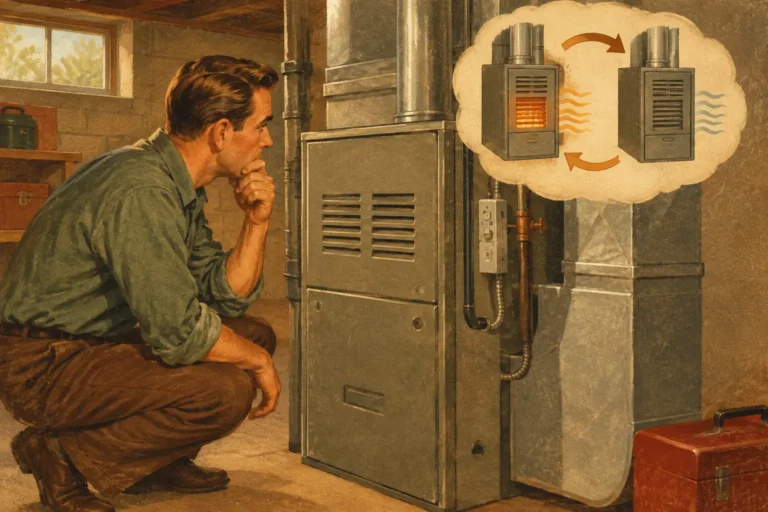
A furnace that starts, runs for only a few minutes, shuts off, and then starts again is not simply being efficient. If you are asking, why is furnace short cycling, the answer usually involves a comfort or safety issue that deserves attention. In an Elgin-area winter, repeated on-and-off operation can leave rooms unevenly heated, raise utility costs, and put unnecessary strain on equipment when you need it most.
Short cycling means the furnace is ending its heating cycle before it has properly warmed the home or building. A healthy furnace typically runs long enough to bring the indoor temperature to the thermostat setting, then rests until the space needs heat again. Cycle length varies with outdoor temperatures, insulation, system type, and thermostat settings, so an occasional short run is not automatically a problem. The concern is a repeated pattern of very brief cycles, especially if the thermostat is not satisfied.
Why Is Furnace Short Cycling Happening?
The cause can be simple, such as restricted airflow, or more involved, such as an oversized furnace or a failing safety component. Avoid repeatedly resetting the system or removing panels to keep it running. Furnaces use multiple safety controls for a reason, and a professional diagnosis protects both the equipment and the people in the building.
A dirty air filter is restricting airflow
A clogged filter is one of the most common reasons for short cycling. Your furnace needs a steady volume of return air moving across the heat exchanger. When a filter is packed with dust, pet hair, or construction debris, heat cannot move through the system as designed. The furnace can overheat, trip its high-limit safety switch, shut down, cool off, and start the cycle again.
Check the filter first if it is safely accessible. A disposable filter that looks gray, matted, or bowed should be replaced with the correct size and type. Do not assume the most restrictive filter is always best. Some high-MERV filters can reduce airflow in systems that were not designed for them. The right filter balances indoor-air-quality goals with your furnace manufacturer’s airflow requirements.
Closed vents or blocked return grilles are trapping heat
Closing supply vents in unused rooms may seem like an easy way to lower heating costs. In many forced-air systems, it restricts airflow and can contribute to overheating. Furniture, rugs, boxes, or draperies placed over return grilles create a similar problem.
Open the supply registers in regularly used areas and make sure return grilles have clear space around them. If some rooms are consistently too warm or too cold, the solution may be duct balancing, zoning, thermostat adjustments, or ductwork improvements rather than closing vents throughout the house.
The thermostat is sensing heat too quickly
A thermostat measures the temperature where it is installed, not the average temperature in every room. A thermostat located near a supply register, exterior door, sunny window, kitchen, fireplace, or heat-producing electronics can get misleading readings. It may signal the furnace to stop before the rest of the home is comfortable.
Incorrect thermostat settings, aging batteries, loose wiring, or a malfunctioning sensor can also cause rapid cycling. Smart thermostat features such as schedules and recovery settings can affect run times, too. Before changing advanced settings, confirm the thermostat is set to Heat, the fan is set to Auto, and the temperature setting is appropriate. If the display is blank or erratic, replace batteries if applicable and schedule service.
The flame sensor or ignition system may be failing
Modern gas furnaces verify that burners have lit safely. A dirty flame sensor can fail to recognize the flame even when ignition occurs. The furnace may start, run briefly, shut the burners off, and attempt to restart.
This problem can look like short cycling, but it is not a homeowner repair. Ignition components, burners, gas pressure, and electrical controls should be inspected by a trained technician. A professional can clean or replace the necessary part, test safe operation, and determine whether another issue is causing the flame signal to fail.
The furnace is oversized for the space
A furnace that is too large can heat the thermostat area very quickly and shut off before heat has circulated through the home. The result is frequent cycling, uneven temperatures, and more wear on components. Bigger is not automatically better when it comes to heating equipment.
Oversizing often appears after a replacement where system capacity was selected without accounting for insulation upgrades, new windows, duct conditions, ceiling height, sun exposure, and the building’s actual heat loss. Correcting the issue may involve equipment replacement, but that is not always the first answer. A qualified contractor should evaluate system sizing, airflow, ducts, and controls before recommending a major investment.
A pressure switch, venting, or safety control issue is interrupting operation
High-efficiency furnaces rely on proper combustion air, condensate drainage, intake and exhaust piping, and pressure-switch operation. Snow, ice, leaves, insect nests, or other debris around outdoor vent terminations can interfere with the system. A blocked condensate drain can also stop a condensing furnace as a protective measure.
Do not disassemble vent pipes or bypass a pressure switch. From a safe distance, you can look for obvious exterior obstructions around furnace intake and exhaust outlets. If snow or debris is present, clear only what is easily accessible without damaging the pipes or placing yourself at risk. Ongoing shutdowns require service.
What You Can Check Before Calling for Furnace Repair
A few basic checks can help narrow down the situation and may restore normal operation. Replace a dirty filter, confirm vents and returns are open and unobstructed, verify thermostat settings, and make sure the furnace power switch and circuit breaker are on. If you have a high-efficiency furnace, look outside for clear intake and exhaust terminations.
Then observe what happens during a heating call. Does the blower start but the burners never light? Do the burners ignite and shut off within seconds? Does the system run for several minutes before stopping? Note any flashing diagnostic light on the furnace cabinet, unusual noises, burning smells, or an error message on the thermostat. These details help a technician diagnose the problem efficiently.
Avoid cycling power over and over, touching gas components, or attempting to clean internal sensors without training. A temporary restart does not solve the underlying issue and can delay a needed repair.
When Furnace Short Cycling Becomes an Emergency
Turn the furnace off and seek prompt professional help if you smell gas, notice soot around the unit or vents, hear a loud boom at ignition, see water pooling around the furnace, or have a carbon monoxide alarm activate. Leave the building and contact emergency services or the gas utility if there is a suspected gas leak or carbon monoxide concern.
A furnace that short cycles without those warning signs still merits a timely service call, particularly during freezing weather. Repeated overheating can damage components, and repeated ignition attempts can leave a home or business without dependable heat at an inconvenient time. Lea Heating & Air Conditioning provides 24/7 emergency support and can evaluate airflow, controls, combustion, venting, and overall system performance.
Preventing Short Cycling in the Future
Preventive maintenance is the best way to catch the conditions that lead to short cycling before they interrupt a cold night. During a professional tune-up, a technician can inspect the filter and blower, measure temperature rise and airflow, test safety switches, check ignition performance, inspect venting, and confirm that thermostat operation matches the system.
For property managers and business owners, scheduled maintenance also helps reduce unexpected downtime and protect equipment budgets. Buildings with multiple zones, rooftop equipment, or changing occupancy patterns may need more than a basic filter change to maintain stable comfort.
If your furnace has begun running in short, repetitive bursts, give it attention while the symptoms are still clear. A clean filter may be all it needs, but a trained diagnosis can prevent a small airflow or control issue from becoming a no-heat call when temperatures drop.