A furnace that quits during a January cold snap or an air conditioner that struggles through a humid July afternoon rarely fails without warning. Small changes – longer run times, uneven temperatures, unfamiliar sounds, rising utility bills – often begin months earlier. One of the most practical benefits of annual HVAC tuneups is the opportunity to find those concerns before they become an urgent repair call.
For homeowners and business owners in Northeast Illinois, maintenance is not simply a box to check before the seasons change. It is a planned visit that helps protect comfort, safety, equipment performance, and the budget you have set aside for your property.
1. Fewer Surprise Breakdowns
HVAC equipment works hardest when outdoor temperatures are at their most extreme. That is also when a weak capacitor, worn blower component, clogged drain, loose electrical connection, or dirty filter can push a system from “still running” to “not running at all.”
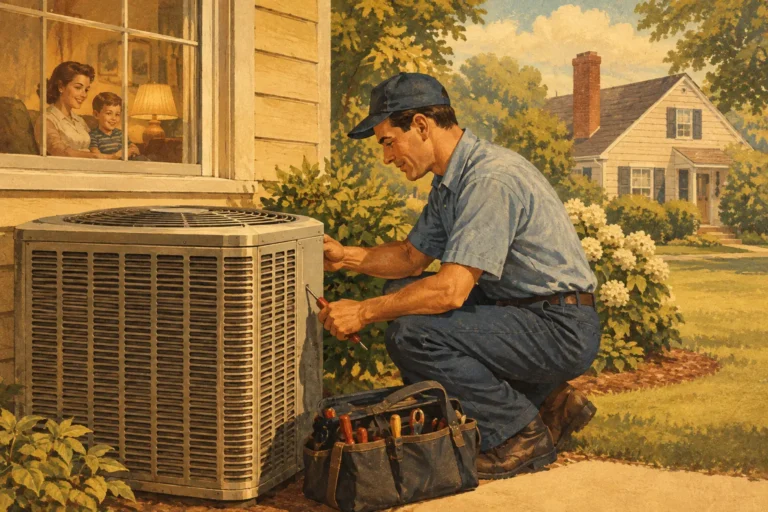
During a professional tuneup, a technician evaluates the system’s key operating components and looks for early signs of wear. Addressing a small issue on a scheduled visit is generally easier than responding to a no-heat or no-cooling situation when your system is under maximum demand.
Maintenance cannot guarantee that every future repair will be avoided. Parts can fail unexpectedly, and aging equipment has limits. Still, regular inspections reduce the odds that overlooked wear will become an after-hours emergency.
2. Lower Energy Waste
An HVAC system can run while using more energy than it should. Dirty coils, restricted airflow, incorrect refrigerant performance, and poorly calibrated controls can all make heating and cooling equipment work longer to deliver the same result.
A tuneup helps restore efficient operation by checking airflow, cleaning applicable components, inspecting the filter, and confirming that the system is cycling and operating as intended. For a business with multiple occupants, operating hours, and comfort expectations, even modest inefficiencies can add up over a season. At home, better performance can mean less time listening to the system run without getting the comfort you expect.
Energy savings depend on the condition, age, and type of equipment. A well-maintained high-efficiency heat pump may see a different result than a 15-year-old furnace that is nearing replacement. Maintenance is not a substitute for replacing equipment that has become unreliable or inefficient, but it helps every system operate closer to its intended standard.
3. More Even, Dependable Comfort
Comfort is about more than whether the thermostat displays the temperature you selected. It is also about whether the bedrooms stay warm, whether the second floor gets stuffy, whether air moves consistently, and whether the system responds when the weather shifts.
Annual service gives a trained technician a chance to identify issues that can affect comfort, including airflow restrictions, blower performance, thermostat concerns, ductwork issues, and system cycling problems. These details matter in homes with additions, finished basements, sun-facing rooms, or multiple levels. They also matter in commercial spaces where uneven temperatures can affect employees, customers, and tenants.
If a tuneup reveals a larger comfort concern, the right next step may be a targeted repair, thermostat adjustment, ductwork recommendation, or discussion about zoning. The goal is not to sell a solution that does not fit. It is to give you clear information about why the system is behaving the way it is.
4. Better Indoor Air Quality Support
Your heating and cooling system moves air throughout the building, so its condition affects the environment people breathe every day. A maintenance visit can include checking filters, inspecting drainage and moisture-related concerns, and evaluating components that influence airflow.
A clean filter is especially important, but it is only one piece of the picture. Families with pets, allergy concerns, respiratory sensitivities, or high occupancy may need more frequent filter changes than the standard schedule. Businesses may also need a maintenance plan that reflects their operating hours and the demands placed on their equipment.
When needed, a technician can help you consider additions such as whole-home humidifiers, UV air purifiers, improved filtration, or ventilation-related solutions. These products are not necessary for every property. The best recommendation depends on the building, the existing HVAC system, and the specific air-quality concern you are trying to address.
5. Improved Heating Safety
Furnace maintenance carries a safety benefit that should not be overlooked. Gas-fired heating systems involve combustion, venting, electrical controls, and safety switches that need professional attention. A thorough inspection can identify concerns such as burner issues, ignition trouble, venting problems, or signs that warrant further evaluation.
Homeowners should also keep working carbon monoxide detectors in appropriate locations and replace batteries or units according to the manufacturer’s guidance. A tuneup and carbon monoxide detectors serve different roles, and both are part of a responsible home-safety routine.
For boilers, the maintenance approach is different but just as important. Pressure, water levels, controls, circulating components, and safety devices all need to be assessed by a qualified professional who understands the equipment.
6. Longer Equipment Life
Heating and cooling equipment is a significant investment. While no maintenance plan can make a system last forever, reducing unnecessary strain can help protect its useful service life.
Consider what happens when airflow is restricted or a moving component begins to wear. The system may compensate by running longer or working harder. Over time, that extra stress can affect other parts. Routine service gives technicians an opportunity to correct manageable problems before they compound.
This is particularly valuable for property managers responsible for several units or commercial systems. Planned maintenance creates a better record of system condition and helps make capital planning less reactive. Instead of learning about a failing unit only after a tenant or customer complains, you have more opportunities to budget and schedule thoughtfully.
7. Protection for Manufacturer Requirements
Many equipment manufacturers recommend routine professional maintenance, and some warranty terms may require documented service. Keeping records of tuneups, repairs, and filter changes can be useful if a warranty question arises later.
It also gives the next technician a clearer history. Notes about prior repairs, recurring symptoms, performance readings, and replaced parts can speed up troubleshooting when a problem develops. That history is valuable whether you plan to keep the equipment for several more years or are evaluating a replacement.
8. Clearer Decisions About Repair or Replacement
A tuneup is not just about keeping older equipment operating. It can also help you recognize when continued repairs are no longer the best financial choice. If a system needs frequent repairs, cannot maintain comfort, has expensive component failures, or is approaching the end of its expected life, replacement may deserve consideration.
That conversation should include the whole picture: repair cost, equipment age, energy use, comfort concerns, available efficiency options, and your plans for the property. A newer high-efficiency furnace, air conditioner, heat pump, boiler, or ductless system may offer meaningful performance improvements, but replacement is a property-specific decision rather than an automatic answer.
When Should You Schedule HVAC Maintenance?
Most properties benefit from two seasonal visits: air-conditioning service in spring and heating service in fall. This timing gives technicians the chance to prepare equipment before it takes on its heaviest workload.
If you have a heat pump that provides both heating and cooling, it still deserves regular attention before the demanding seasons. Properties with older equipment, indoor-air-quality accessories, heavy commercial usage, or recurring comfort issues may benefit from a more customized maintenance schedule.
A professional visit is most useful when you share what you have noticed. Mention rooms that never feel right, higher bills, unusual odors, short cycling, water near equipment, or thermostat behavior that seems inconsistent. Those observations can point a technician toward concerns that may not appear during a brief system run.
For more than 48 years, Lea Heating & Air Conditioning has helped local homeowners and businesses make informed comfort decisions with factory-trained, NATE-certified service. Scheduling maintenance before the weather turns is a simple way to give your system attention when there is time to address what it needs – and to head into the next season with greater confidence.