What New Homeowners in Northeast Illinois Get Wrong About HVAC Systems and How to Avoid Costly Mistakes
A thermostat set to 65 degrees in January, a furnace filter untouched since the closing paperwork was signed, and a condenser unit buried under spring mulch. These three small oversights appear in home after home across Elgin, Algonquin, Carpentersville, and the surrounding communities. Each one seems harmless in the moment. Together, over a few seasons, they shorten equipment life, raise monthly bills, and lead to breakdowns that could have been prevented entirely.
Buying a first home is a milestone, but the heating and cooling system that came with it often stays a mystery. At Lea Heating, we talk with new owners every week who inherited equipment they do not understand, and we have watched the same assumptions cause the same expensive problems. We are a second-generation, family-owned HVAC provider in Northeast Illinois, continuing 45 years of excellence in residential and light commercial heating, cooling, indoor air quality, and hot water work. That history has shown us exactly where new homeowners stumble, and the good news is that most of these mistakes are easy to avoid once you know what to look for.
Misunderstanding How the System Actually Works
The most common error is treating the thermostat like a gas pedal. Many new homeowners believe that setting the temperature much higher or lower than the target makes the system heat or cool faster. A furnace does not work that way. It produces heat at one rate regardless of how far you push the dial. Setting the thermostat to 80 degrees when you want 70 only means the furnace runs past the point you actually wanted and wastes fuel. The same principle applies to air conditioning in reverse.
Another misconception involves closing vents in unused rooms to save energy. In a forced-air system, the blower moves a fixed volume of air. Closing registers does not reduce the work the system does. Instead it increases static pressure in the ductwork, which strains the blower motor and can cause the heat exchanger to overheat. Over time this shortens the life of expensive components. Understanding that your system is engineered to move a specific amount of air through a specific duct layout helps explain why so many “energy-saving” tricks backfire.
Homeowners also underestimate how much the equipment size matters. A furnace or air conditioner that is too large for the home short-cycles, turning on and off rapidly without ever reaching a comfortable, stable condition. This causes uneven temperatures, poor humidity control, and premature wear. Bigger is not better. Correct sizing comes from a load calculation that accounts for square footage, insulation, window placement, and the realities of our Northeast Illinois climate.
Neglecting Maintenance Until Something Breaks
The single costliest habit we see is the belief that an HVAC system needs no attention until it fails. Heating and cooling equipment is mechanical, and like any machine it wears, collects debris, and drifts out of adjustment. A system that receives no care will still run for a while, which fools people into thinking everything is fine. The damage accumulates quietly.
Here are the maintenance oversights that create the most expensive repairs:
- Dirty filters: A clogged filter restricts airflow, forces the blower to work harder, and can cause the system to overheat or freeze depending on the season.
- Ignored condensate drains: A blocked drain line lets water back up, which can damage the furnace and trigger safety shutoffs during cooling season.
- Skipped annual inspections: Small issues like a weak flame sensor, a loose electrical connection, or a slightly low refrigerant charge grow into full failures when left unchecked.
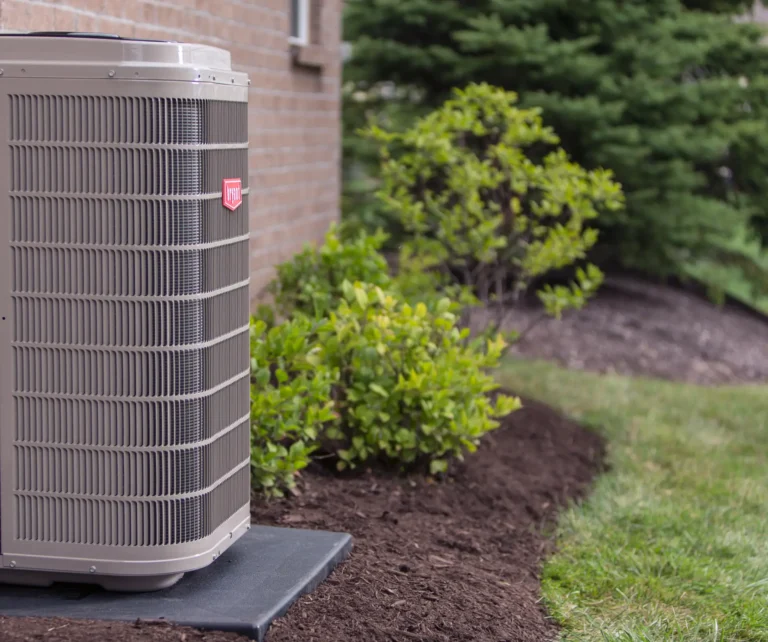
- Dirty outdoor coils: Grass clippings, leaves, and mulch pressed against the condenser reduce heat transfer and raise cooling costs.
Regular maintenance is the least glamorous part of homeownership and the most financially sensible. Replacing a filter and scheduling a seasonal checkup costs a fraction of what a failed compressor or cracked heat exchanger does. When our technicians perform a maintenance visit, we test combustion, measure airflow, inspect electrical components, verify refrigerant levels, and clear drains. The goal is to catch the small problems while they are still small.
Buying on Price Alone and Postponing Replacement
When equipment finally needs to be replaced, many first-time owners focus only on the lowest upfront number. This often leads to mismatched components, a poor installation, or a system that costs far more to operate over its lifespan. The installation quality matters as much as the equipment itself. A high-efficiency furnace installed with leaky ducts and incorrect airflow will never deliver the efficiency printed on its label.
We encourage homeowners to weigh several factors before choosing a new system:
- Efficiency ratings: Look at AFUE for furnaces and SEER2 for air conditioners, and consider how long you plan to stay in the home.
- Proper sizing: Insist on a load calculation rather than a guess based on the old unit.
- Duct and airflow condition: Even the best equipment underperforms on compromised ductwork.
- Indoor air quality needs: Humidity control, filtration, and ventilation affect both comfort and health.
The other replacement mistake is waiting too long. A system that needs repeated repairs each season, struggles to hold temperature, and shows rising energy use is telling you something. Running old equipment into the ground often costs more in emergency repairs and wasted energy than a planned replacement would.
Building a Smarter Relationship With Your System
Avoiding these mistakes does not require technical expertise. It requires a basic understanding of how your equipment behaves and a willingness to give it routine attention. Learn where your filter is and change it on schedule. Keep the area around the outdoor unit clear. Pay attention to new noises, smells, or uneven temperatures. Schedule seasonal service before the weather extremes arrive rather than during them.
Serving Elgin, Algonquin, Carpentersville, Hoffman Estates, Sleepy Hollow, West Dundee, and the broader Northeast Illinois area, Lea Heating helps new homeowners understand the systems they have inherited and make sound decisions about care, repair, and replacement. Whether you need an honest assessment of aging equipment, a maintenance plan, or a properly sized installation, our experience across four and a half decades stands behind every recommendation we make. Knowing what to avoid is the first step toward a comfortable home and a system that lasts.