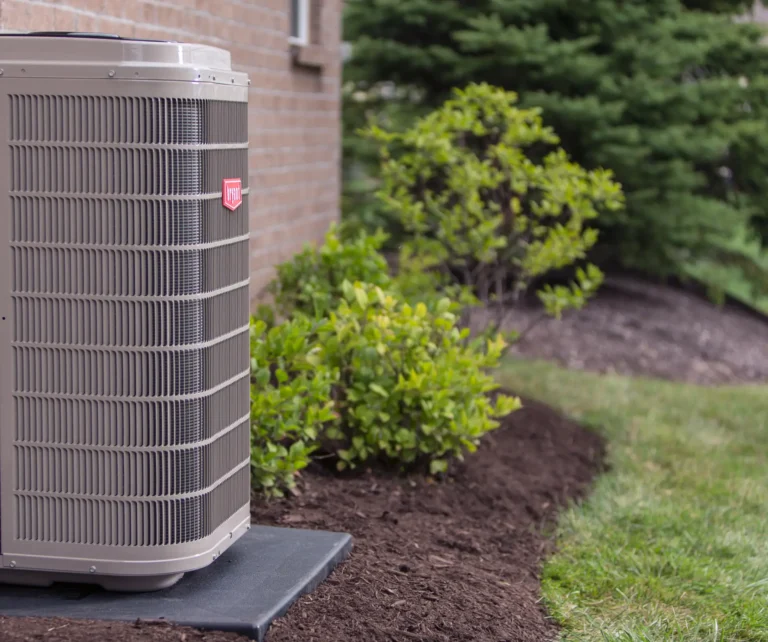
A condenser coil packed with cottonwood seed, a capacitor reading two microfarads below its rating, and a refrigerant charge that drifted low over three summers — these are the small faults that quietly steal cooling capacity long before an air conditioner stops running altogether. Most homeowners in Elgin never notice them because the system keeps producing cold air, just less of it, at a higher operating cost, until a hot July afternoon exposes the weakness. AC maintenance exists to catch these developing problems while they are still cheap and simple to correct.
At Lea Heating & Air Conditioning, we treat maintenance as a measured, technical inspection rather than a quick visual pass. As a second-generation, family-owned HVAC provider in Northeast Illinois, we have spent 45 years learning exactly how residential and light commercial cooling systems degrade over time, and we build every service visit around those known failure patterns. The goal is a system that runs within specification through the full cooling season, from the first warm day in May to the last stretch of humidity in September.
Why Annual AC Maintenance Matters in Elgin’s Climate
Elgin summers combine sustained heat with high humidity, and both put continuous strain on cooling equipment. An air conditioner does not only lower temperature — it removes moisture from the air, and that moisture-removal work depends on clean coils, correct refrigerant charge, and steady airflow. When any one of those falls out of range, the system runs longer to reach the same setpoint, drawing more electricity and wearing components faster.
Neglected systems also tend to fail at the worst possible moment. Compressors and capacitors work hardest during peak heat, so a marginal part that survives a mild spring often gives out during the first extended heat wave. Regular maintenance shifts the timing of repairs into your control. Instead of an emergency breakdown on a 95-degree Saturday, you get a scheduled part replacement during a routine visit, when parts are available and the house is still comfortable.
What Happens During a Lea Heating & Air Conditioning Maintenance Visit
Our maintenance procedure follows a consistent sequence so that nothing is skipped. Each stage builds on the one before it, moving from cleaning to measurement to verification. Below is the general flow of a visit, though we adjust the order to fit the specific equipment in your home or facility.
- Filter and airflow check: We inspect the air filter, evaluate its condition, and confirm that airflow across the evaporator coil is within the range the equipment is designed to handle. Restricted airflow is one of the most common root causes of poor cooling and frozen coils.
- Coil cleaning: We clean the outdoor condenser coil to remove grass clippings, cottonwood seed, and airborne debris that block heat rejection. A dirty condenser forces the compressor to work against higher head pressure, which raises energy use and shortens equipment life.
- Refrigerant measurement: We measure system pressures and calculate superheat and subcooling to verify the charge is correct. A charge that is even slightly low reduces cooling capacity and can lead to compressor damage over time.
- Electrical inspection: We test the capacitor, check contactor condition, and measure the electrical draw of the compressor and fan motors against their rated values. Weak capacitors and worn contactors are frequent and inexpensive early failures.
- Drainage and condensate check: We clear the condensate drain line and confirm the pan drains properly, since a blocked line can cause water damage or trigger a safety shutoff.
- Controls and thermostat verification: We confirm the thermostat calls for cooling correctly and that the system cycles on and off as designed.
Every visit ends with a summary of what we found and what we measured. If a component is drifting toward failure but has not yet failed, we tell you, so you can decide how to proceed rather than being surprised later.
The Measurements That Reveal a System’s Real Condition
A cooling system can look perfectly healthy from the outside and still be operating well outside its design range. The numbers tell the true story. When we measure superheat and subcooling, we are reading the behavior of the refrigerant as it changes state inside the coils. Those two values, taken together, indicate whether the charge is correct and whether refrigerant is flowing the way the manufacturer intended.
Static pressure across the air handler tells us whether the ductwork and filter are letting air move freely. A high static pressure reading points to restriction — a clogged filter, a crushed duct, or an undersized return. Electrical draw readings on the compressor and fan motors reveal whether those components are working harder than they should, which often signals a mechanical problem developing inside a sealed part. By recording these values during each visit, we can also compare readings year over year and spot slow trends that a single snapshot would miss.
This measurement-based approach is what separates thorough maintenance from a simple cleaning. Cleaning removes visible dirt, but only measurement confirms that the system is actually performing to specification. Both matter, and we do both.
How Maintenance Protects Different Types of Systems
Elgin homes and light commercial buildings run a wide range of equipment, and each type benefits from maintenance in a slightly different way. A standard single-stage central air conditioner needs consistent attention to charge and airflow to hold its efficiency. Two-stage and variable-speed systems add electronic controls and communicating components that require verification the older systems never had. Heat pumps, which cool in summer and heat in the shoulder seasons, place additional demand on the reversing valve and defrost controls, making regular inspection even more valuable.
Light commercial rooftop units and larger residential systems often serve spaces where a breakdown carries real cost — a small storefront that loses air conditioning during business hours, or a home office that becomes unusable in the afternoon heat. For these applications, we place extra emphasis on the components most likely to fail under continuous load, and we help owners plan replacements before a failure interrupts daily operations. Whatever the equipment, the underlying principle stays the same: a system kept in specification uses less energy, lasts longer, and rarely surprises you.
Serving Elgin and the Surrounding Communities
We provide AC maintenance throughout Elgin and the neighboring areas across Elgin, Crystal Lake, Carpentersville, Algonquin, West Dundee, Sleepy Hollow, East Dundee, Lake in the Hills, and Hoffman Estates, IL. Our roots in Northeast Illinois run deep, and continuing 45 years of excellence in the residential and light commercial heating, cooling, indoor air quality, and hot water fields shapes everything we do. That long history means we have serviced many of the same equipment types and housing styles found across this region, and we understand how they respond to local conditions.
Being family-owned and now in our second generation, we approach each maintenance relationship with the expectation that we will be back next year, and the year after. That perspective changes how we work. We are not looking for a quick sale — we are looking to keep your system running reliably for its full service life, and to earn the kind of trust that keeps families and businesses calling Lea Heating & Air Conditioning for decades.
Scheduling Your AC Maintenance
The best time to schedule maintenance is spring, before the first sustained heat wave, so that any repairs are handled while the weather is still mild. That said, a system that has gone several seasons without service benefits from attention at any point in the year. If your air conditioner is cooling less effectively than it used to, running longer cycles, or showing higher energy bills, those are early signs that a maintenance visit is overdue.
Reach out to Lea Heating & Air Conditioning to arrange your AC maintenance in Elgin. We will inspect, clean, and measure your system, explain what we find in plain terms, and give you a clear picture of its condition so you can head into summer with confidence that your cooling equipment is ready for the heat ahead.