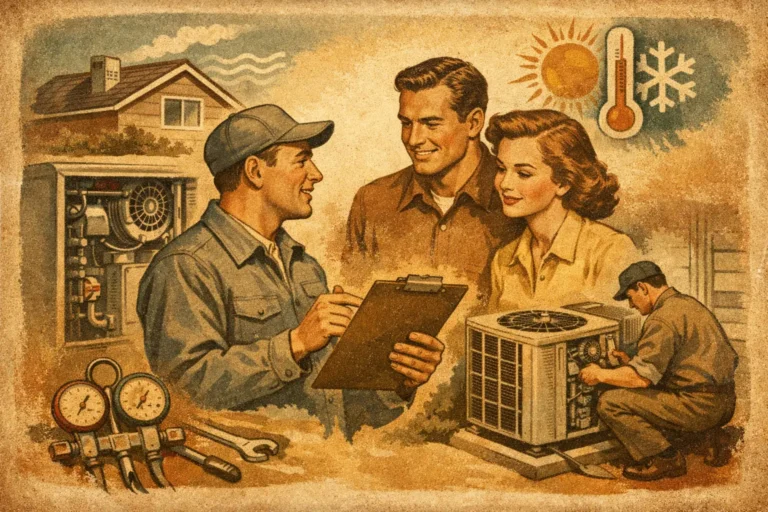
A furnace that starts reliably during an Illinois cold snap and an air conditioner that keeps up on a humid July afternoon rarely get there by accident. The most meaningful HVAC maintenance plan benefits come from finding small performance issues before they become comfort emergencies, high utility bills, or major repair calls.
For homeowners, property managers, and business owners, planned maintenance is less about checking a box and more about protecting a system that works hard through every season. A professional visit gives a trained technician the opportunity to evaluate safety, efficiency, airflow, controls, and the condition of critical components while there is still time to make a practical decision.
HVAC Maintenance Plan Benefits for Daily Comfort
Heating and cooling equipment can lose performance gradually. A dirty indoor coil, restricted filter, worn electrical part, low refrigerant charge, or loose blower component may not cause an immediate breakdown. Instead, the system may run longer, heat or cool unevenly, make unfamiliar noises, or leave certain rooms uncomfortable.
Routine maintenance helps identify these changes early. During a seasonal visit, a qualified technician can inspect operating pressures, electrical connections, condensate drainage, airflow, blower performance, thermostat operation, and major safety controls. The specific work varies by system type, whether you have a furnace and central air conditioner, heat pump, boiler, ductless equipment, or a commercial rooftop unit.
The practical result is more consistent comfort. Your equipment is better positioned to deliver the temperature you set, cycle appropriately, and move conditioned air through the home or building without unnecessary strain. Maintenance cannot make an undersized or aging system perform like a new high-efficiency model, but it can help an otherwise sound system operate closer to its intended capability.
Better airflow can solve more than one complaint
When people notice hot upstairs bedrooms, chilly offices, or weak air from certain vents, the equipment itself is not always the only factor. A technician may find a clogged filter, obstructed return, dirty blower assembly, duct issue, incorrect fan setting, or thermostat concern. Addressing those details can improve comfort without immediately jumping to a replacement recommendation.
That said, persistent room-to-room temperature differences may require a larger solution, such as duct modifications, zoning, a smart thermostat strategy, or equipment sizing evaluation. Maintenance provides useful information for making that decision based on the actual condition of the system.
Fewer Surprise Repairs, With Honest Limits
One of the strongest reasons to enroll in a maintenance plan is the chance to catch developing problems before a complete failure. Worn capacitors, contactors, belts, igniters, motors, and electrical connections often show warning signs during inspection. A partially blocked condensate drain may be corrected before it creates a water issue. A dirty flame sensor can be cleaned before it contributes to a no-heat call.
Preventive maintenance does not guarantee that a part will never fail. Some breakdowns happen suddenly, and no inspection can predict every future repair. But a maintained system is less likely to be operating with obvious neglect, and concerns can be addressed on your schedule rather than during the first extreme-weather day of the season.
For commercial properties, that distinction can be especially valuable. An unexpected HVAC outage can disrupt employees, customers, equipment, inventory, and tenant relationships. Planned service helps property managers document equipment condition and prioritize repairs or replacements before an urgent failure affects operations.
Efficiency Depends on the Details
Energy efficiency is not just a rating on the side of the equipment. It also depends on how the system is operating in the building. When filters are clogged, coils are dirty, airflow is restricted, or controls are not working correctly, the system may run longer to meet demand. More runtime can mean more energy use and more wear on components.
A maintenance plan supports efficiency by keeping the system clean, calibrated, and properly inspected. For air conditioning and heat pumps, technicians may assess coil condition, refrigerant-related performance, electrical components, drainage, and airflow. For furnaces and boilers, service can include safety testing, combustion-related checks where appropriate, cleaning, and inspection of the parts needed for dependable heat.
The savings will vary. A newer, properly sized system in a well-maintained home may see modest improvements because it was already operating efficiently. An older system with overdue cleaning or restricted airflow may have more room for improvement. Insulation levels, duct leakage, thermostat habits, weather, building occupancy, and utility rates also affect energy costs.
Maintenance is not a substitute for replacement when equipment is near the end of its service life or requires frequent expensive repairs. It is, however, the best way to make an informed comparison. A technician can explain whether a repair is sensible, whether the system needs closer monitoring, or whether investing in a high-efficiency replacement would better serve the property.
Equipment Life and Warranty Protection
HVAC equipment is a major investment, and premature wear often comes from avoidable strain. Poor airflow can overwork motors and compressors. Dirt buildup can reduce heat transfer. Loose wiring can create intermittent performance issues. Neglected drainage can lead to water damage or system shutdowns.
Regular inspections help reduce that strain. They also establish a service history, which is useful when evaluating recurring issues, planning a replacement, or documenting care for a property owner. Some manufacturers include maintenance requirements within their warranty terms, so keeping up with professional service may help support warranty compliance. Homeowners should review the specific warranty documents for their equipment, since requirements differ by manufacturer and model.
A well-maintained older system can often provide dependable service for years. Still, age matters. If a furnace, air conditioner, heat pump, or boiler has become unreliable, maintenance appointments can help you plan ahead instead of waiting for a failure to force a quick decision.
Indoor Air Quality and Safety Matter Too
Comfort includes more than temperature. Your HVAC system affects how air is filtered, circulated, humidified, and dehumidified throughout the space. Maintenance visits offer an opportunity to review filter type and replacement timing, inspect humidifier components, confirm drainage, and discuss air-quality concerns such as dry winter air, excess humidity, dust, odors, or allergy symptoms.
For gas-fired heating equipment, safety inspections are equally important. Technicians inspect components associated with safe operation, including venting and safety controls as appropriate for the system. If a concern is found, it can be addressed before relying on the equipment through another heating season.
Property owners should also maintain working carbon monoxide detectors according to manufacturer guidance. Professional HVAC maintenance is valuable, but detectors provide an essential separate layer of protection in spaces with fuel-burning appliances.
What a Good Maintenance Plan Should Provide
Not all maintenance plans offer the same value. The strongest plans pair scheduled seasonal care with clear communication and responsive support when something goes wrong. Before enrolling, ask what is included in each visit, which types of equipment are covered, whether the plan includes repair discounts or priority scheduling, and how the company documents findings.
Look for technicians with relevant training and credentials, especially when your property has more complex equipment. NATE-certified professionals and factory-trained technicians bring tested technical knowledge to diagnostics and maintenance. That matters when a service visit reveals an issue that needs a careful explanation rather than a guess.
For a home with central heating and cooling, spring air conditioning service and fall heating service are usually a sensible rhythm. Heat pumps often benefit from attention before both heavy cooling and heating seasons. Commercial systems may need a more frequent schedule based on runtime, occupancy, equipment type, and the demands of the building.
Lea Heating & Air Conditioning’s Comfort Club is designed around this practical approach: routine professional attention, priority-minded service, and a long-term view of the equipment that keeps your property comfortable.
When Maintenance Is Not Enough
A maintenance plan is a smart preventive measure, but it should not delay action on urgent symptoms. Schedule service promptly if you smell gas or burning, hear loud banging or grinding, see water around the equipment, experience repeated breaker trips, notice no heat or cooling, or receive a carbon monoxide alarm. Turn the system off when appropriate and seek qualified help.
It is also reasonable to consider replacement if repair costs are climbing, the system is difficult to keep comfortable, or an older unit no longer matches the needs of the home or business. A trusted contractor should provide clear options, including repair, continued maintenance, and replacement, so you can choose based on cost, reliability, and long-term comfort.
The best time to schedule maintenance is before your equipment has to prove itself in extreme weather. A planned visit gives you useful answers, cleaner operation, and more control over the next decision your HVAC system requires.