Understanding Northeast Illinois Weather Extremes and Their Impact on HVAC Systems
Northeast Illinois experiences some of the most dramatic temperature swings in the United States, with scorching summers reaching into the high 90s and brutal winters plunging well below zero. These extreme fluctuations create enormous stress on heating and cooling systems throughout communities like Elgin, Hoffman Estates, and Carpentersville. Your HVAC equipment works overtime during these periods, cycling on and off more frequently than systems in moderate climates. This constant operation accelerates wear on critical components including compressors, heat exchangers, and blower motors.
The region’s notorious polar vortex events have become increasingly common, bringing Arctic air masses that can drop temperatures by 50 degrees in just hours. During these severe cold snaps, furnaces run continuously for days, pushing components beyond their design limits. Similarly, summer heat waves with high humidity levels force air conditioning systems to work harder to remove moisture from indoor air while maintaining comfortable temperatures. These extreme conditions can reduce equipment lifespan by 30 to 40 percent compared to systems operating in more stable climates.
Specific Weather-Related Damage Patterns We See
Ice storms prevalent in areas like Algonquin and West Dundee create unique challenges for outdoor HVAC units. Heavy ice accumulation on condenser coils blocks airflow and can bend delicate aluminum fins, reducing system efficiency by up to 25 percent. The weight of ice on fan blades causes motor strain and premature bearing failure. During spring thaws, rapid temperature changes cause metal components to expand and contract repeatedly, leading to stress fractures in heat exchangers and refrigerant line connections.
Summer thunderstorms bring their own set of problems, with lightning strikes causing electrical damage to control boards and capacitors. Power surges from storm-related outages can destroy sensitive electronic components in modern high-efficiency systems. Heavy rainfall overwhelms condensate drainage systems, potentially causing water damage to furnace components and promoting rust formation. Wind-driven debris damages outdoor unit fins and can introduce contaminants into the system. As a second-generation, family-owned HVAC provider in Northeast Illinois, we’ve witnessed firsthand how these weather patterns have intensified over our 45 years serving the community.
Preventive Strategies to Protect Your Investment
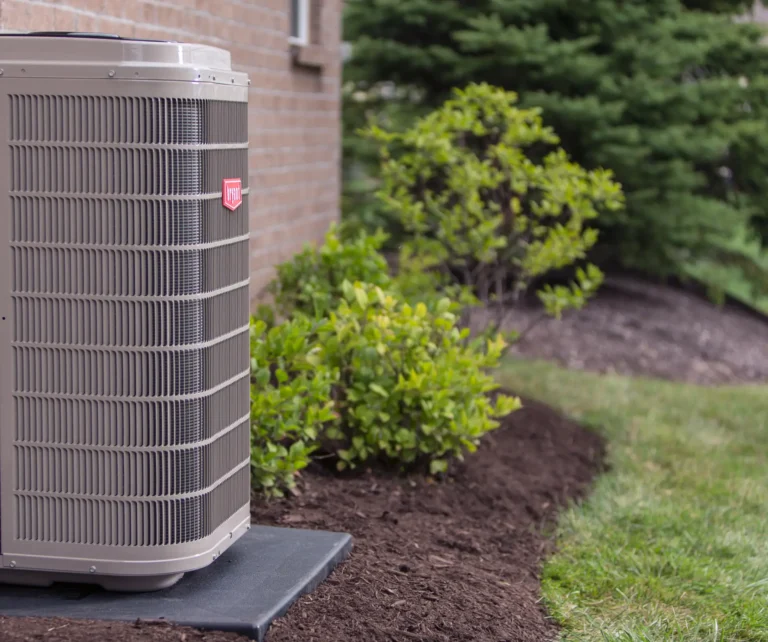
Installing surge protectors specifically designed for HVAC systems provides essential defense against electrical damage from storms. These devices, which typically cost between one and three percent of your system’s value, can prevent thousands of dollars in repair costs. Weatherproof covers for outdoor units shield components from ice and debris while maintaining proper airflow. Strategic landscaping around outdoor units creates natural windbreaks without restricting ventilation.
Regular maintenance becomes even more critical in extreme weather regions. Changing filters monthly during peak heating and cooling seasons prevents system strain and maintains efficiency. Professional tune-ups twice yearly allow technicians to identify weather-related wear before it causes system failure. During these inspections, we check refrigerant levels, clean coils, lubricate moving parts, and test safety controls. This proactive approach extends equipment life and maintains peak efficiency despite harsh conditions.
Emergency Preparedness and System Redundancy
Developing an HVAC emergency plan helps minimize damage when extreme weather strikes. This includes knowing how to safely shut down your system during flooding risks and understanding basic troubleshooting steps when professional help might be delayed due to widespread outages. Keeping spare filters, fuses, and batteries for thermostats ensures you can maintain basic functionality during emergencies.
- Install a whole-house generator or portable backup power system to maintain heating during winter power outages
- Consider secondary heating sources like sealed combustion space heaters for critical areas
- Maintain emergency supplies including extra filters, thermostat batteries, and circuit breakers
- Document system specifications and warranty information for quick reference during emergencies
- Establish relationships with multiple HVAC contractors to ensure service availability during peak demand
Long-Term Solutions and Modern Technology
Investing in variable-speed HVAC equipment provides better adaptation to extreme weather conditions. These systems adjust output based on demand, reducing stress during temperature swings while maintaining consistent comfort. Smart thermostats with weather integration automatically adjust settings based on forecasts, preparing your home for incoming weather changes while optimizing energy use.
Continuing 45 years of excellence in residential and light commercial heating, cooling, indoor air quality, and hot water fields, Lea Heating stays current with technological advances that help protect systems from weather damage. Modern equipment includes enhanced drainage systems for humidity management, corrosion-resistant coatings for outdoor components, and improved insulation to prevent freezing. These innovations, combined with proper installation techniques adapted to local climate challenges, significantly extend equipment life despite Northeast Illinois’s demanding weather patterns. Regular consultation with experienced professionals ensures your HVAC system remains resilient against whatever weather extremes come next.