A furnace that quits during an Elgin cold snap or an air conditioner that stops on a humid July afternoon rarely fails without giving some warning. Learning how to prevent HVAC breakdowns starts with noticing those warnings, keeping up with basic care, and scheduling professional service before a small issue becomes an urgent repair.
For homeowners, a breakdown can mean an uncomfortable house, frozen pipes, or indoor-air concerns. For a business, it can disrupt employees, customers, inventory, and operating hours. Preventive attention does not eliminate every unexpected failure, but it gives your heating and cooling equipment its best chance to run safely, efficiently, and reliably when you need it.
Prevent HVAC Breakdowns With Seasonal Maintenance
Your HVAC system works hardest during the first major temperature swings of the year. That is why the best maintenance schedule is usually tied to the seasons: cooling service in spring and heating service in fall. A heat pump that provides both heating and cooling may need attention before both demanding seasons.
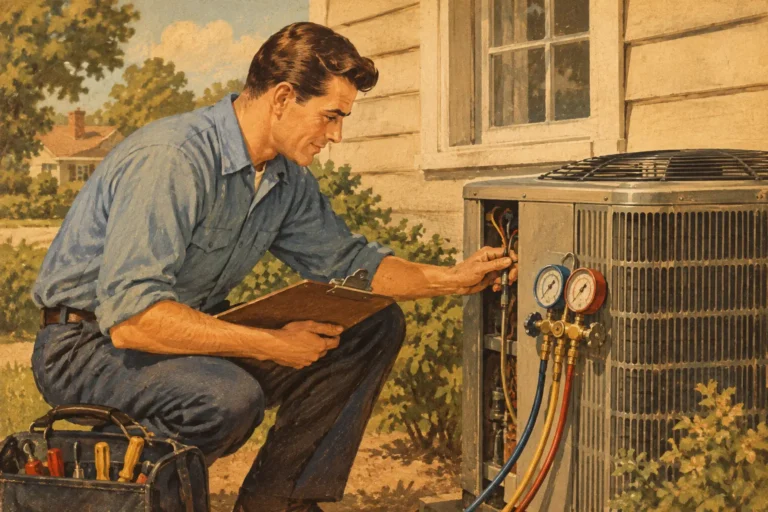
During a professional maintenance visit, a trained technician does far more than look over the equipment. They can inspect electrical connections, test safety controls, clean critical components, check refrigerant performance where applicable, evaluate airflow, inspect the condensate system, and identify worn parts before they fail. For gas furnaces and boilers, combustion-related checks and safety inspections are especially important.
There is a practical trade-off here. A newer system with no apparent issues may seem like it can skip a visit, but maintenance is often what preserves manufacturer warranty requirements and catches the quiet problems that do not yet affect comfort. Older equipment benefits even more from regular inspection because normal wear accumulates over time.
For homes and facilities with multiple systems, create a simple service calendar. Keeping records of visits, repairs, filter changes, and unusual performance makes it easier to spot a pattern and plan repairs or replacement on your terms.
Change Filters Before Airflow Suffers
A clogged air filter is one of the most common and avoidable contributors to HVAC strain. When a filter becomes packed with dust, pet hair, or construction debris, the system has to work harder to move air. That can reduce comfort, raise energy use, contribute to frozen air-conditioning coils, and put unnecessary stress on motors and other components.
Check the filter monthly, especially during peak heating and cooling months. Many standard one-inch filters need replacement every one to three months, although the right interval depends on the filter type, household size, pets, allergies, and how often the system runs. A larger media filter may last longer, but it still needs regular inspection.
Use the filter size and efficiency rating recommended for your equipment. A very restrictive filter is not automatically better. If it is not compatible with the system’s airflow design, it can create the same problems as a dirty filter. When indoor-air-quality needs are a priority, a qualified HVAC professional can recommend options that improve filtration without compromising system performance.
Keep Outdoor Equipment Clear and Draining Properly
Your outdoor air conditioner or heat pump needs room to exchange heat. Leaves, cottonwood, grass clippings, mulch, snow, and stacked items can restrict airflow around the condenser. Keep plants trimmed back, remove loose debris, and avoid placing outdoor furniture or storage items against the unit.
Do not cover an air conditioner with a solid, airtight covering during the cooling season. It can trap moisture and invite corrosion. In winter, a heat pump must remain clear of snow and ice to operate properly. If its defrost cycle seems ineffective or ice keeps building up, call for service rather than chipping away at components yourself.
Inside, pay attention to the condensate drain. Air conditioners, high-efficiency furnaces, and some heat pumps produce water during normal operation. A blocked drain line can trigger a shutdown, cause water damage, or create conditions for microbial growth. If you see water near indoor equipment, smell mustiness, or notice a drain safety switch shutting the system off, arrange service promptly.
Pay Attention to Small Changes in Comfort
HVAC systems often communicate trouble through changes that are easy to dismiss. A new rattle, repeated cycling, rooms that no longer reach the thermostat setting, a sudden jump in utility costs, or weak airflow from several vents deserves attention.
Some warning signs require faster action. Turn off the system and seek professional help if you smell burning, see smoke, hear loud metal-on-metal sounds, repeatedly trip a breaker, or suspect a gas leak. If a carbon monoxide alarm sounds, leave the building and follow emergency guidance immediately. Do not try to diagnose combustion or electrical hazards on your own.
Less urgent symptoms still matter. A system that runs longer than usual may have a dirty filter, duct leakage, thermostat issue, refrigerant concern, or failing component. The cause depends on the equipment and the conditions in the building, which is why a proper diagnosis is more valuable than repeatedly resetting the thermostat or breaker.
Watch for short cycling
Short cycling happens when heating or cooling turns on and off in brief, frequent bursts. It can be caused by something as simple as a dirty filter or poorly placed thermostat, but it can also point to an oversized system, airflow restriction, safety-control issue, or refrigerant problem. Because frequent starts are hard on equipment, it is worth addressing early.
Use Your Thermostat Thoughtfully
A programmable or smart thermostat can help reduce wasted energy and unnecessary runtime, but it should be set up for the system you have. Avoid making large, repeated temperature changes in an attempt to heat or cool faster. Most systems deliver conditioned air at the same rate regardless of how far you move the setting; extreme adjustments simply make the system run longer.
For heat pumps, thermostat setup is particularly important. Aggressive setbacks can sometimes bring on auxiliary heat, which may cost more to operate. The right strategy depends on your equipment, insulation, occupancy schedule, and comfort preferences.
Also make sure the thermostat is not affected by direct sunlight, cooking heat, lamps, or supply vents. If it is reading the wrong conditions, the entire system will respond incorrectly. Battery-powered thermostats should receive fresh batteries before they fail completely.
Protect Airflow Throughout the Building
Closing too many supply registers, blocking returns with furniture, or leaving interior doors shut in a poorly balanced home can restrict circulation. Your equipment is designed around a certain volume of airflow. Starving it of return air can create uneven temperatures and added strain.
Keep supply and return vents open and unobstructed. Vacuum visible dust from grilles, and pay attention to rooms that are consistently too hot or too cold. Those comfort problems may be related to duct leakage, inadequate return air, insulation gaps, zoning needs, or equipment capacity. They are not always solved by turning the thermostat lower or higher.
Commercial properties need the same discipline, with added attention to tenant changes, remodeled spaces, server rooms, and areas with unusual heat loads. What worked for the building’s original layout may no longer support current operations.
Do Not Postpone Repairs That Affect Reliability
A failing capacitor, worn blower motor, damaged contactor, or ignition issue may begin as an intermittent problem. Waiting until it becomes a complete shutdown can mean a more inconvenient repair time and, in some cases, additional component damage.
Prompt repair does not always mean replacement. A well-maintained system with a repairable issue may have years of useful service left. On the other hand, if repairs are becoming frequent, energy bills are rising, and the equipment is near or beyond its expected service life, replacement may be the more predictable long-term choice. A professional should explain both paths clearly, including efficiency, comfort, and budget considerations.
Lea Heating & Air Conditioning provides preventive maintenance and responsive repair support from trained technicians, helping local homeowners and businesses make informed decisions before comfort becomes an emergency.
Build a Plan Before Extreme Weather Arrives
The most effective way to prevent HVAC breakdowns is not a single task. It is a steady routine: check filters, keep equipment clear, respond to warning signs, and schedule seasonal professional maintenance. A maintenance membership can make that routine easier by keeping service on the calendar and providing a familiar record of your system’s condition.
If your heating or cooling equipment has been making unusual noises, struggling to maintain temperature, or going longer between service visits than it should, schedule an inspection before the next period of extreme weather. A calm, planned appointment is almost always easier than waiting for the moment your system stops working.