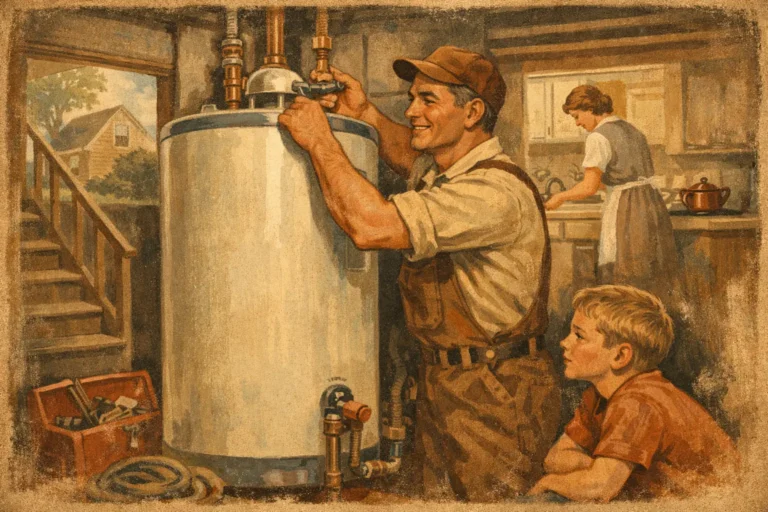
A water heater rarely chooses a convenient time to fail. It may start leaking before work, stop producing hot water during a busy weekend, or make a family notice just how much daily life depends on a reliable shower, dishwasher, and laundry room. When replacement is necessary, water heater installation Elgin homeowners choose should address more than getting hot water back quickly. The new system must be correctly sized, safely connected, properly vented, and built to serve the home for years.
For many homes, a water heater lasts roughly eight to 12 years, although water quality, maintenance, usage patterns, and installation quality can change that timeline. A prompt, professional evaluation can help you decide whether repair is still sensible or whether a replacement is the better long-term investment.
When Water Heater Replacement Makes More Sense Than Repair
A small repair can be worthwhile when the issue is isolated, such as a failed thermostat, heating element, pilot component, or pressure relief valve. But a leaking tank is different. Once the tank itself has corroded or cracked, replacement is generally the safe and practical choice.
Age matters too. If an older unit needs a significant repair, putting more money into it may only delay the expense of replacement. Rust-colored water, rumbling or popping sounds, inconsistent water temperature, rising utility costs, and moisture around the base of the tank all deserve prompt attention. Waiting can turn a manageable replacement into water damage, an interruption to business operations, or an emergency loss of hot water.
For property managers and business owners, the calculation also includes occupant comfort and downtime. A water heater serving apartments, offices, restaurants, or other commercial spaces may need a more detailed capacity and recovery-rate review than a typical single-family home.
Choosing the Right Water Heater for Your Property
The best water heater is not automatically the largest tank or the highest-efficiency model. It is the system that fits the building’s hot-water demand, available fuel source, venting arrangement, budget, and long-term operating goals.
Tank Water Heaters
Conventional storage-tank water heaters hold a supply of heated water, commonly 40 to 75 gallons for residential use. They are familiar, dependable, and often have a lower initial installation cost than tankless equipment. The key is selecting a tank with the right first-hour rating, which estimates how much hot water it can provide during a high-demand hour.
A household with several people showering close together, a large soaking tub, or frequent laundry loads may need more capacity than a smaller household. Simply matching the old tank size is not always enough, especially if the number of occupants or fixtures has changed.
Tankless Water Heaters
Tankless systems heat water as it flows through the unit rather than storing it in a tank. They can provide a continuous supply of hot water when properly sized and may reduce standby energy loss. They also take up less space, which can be valuable in utility closets and smaller mechanical rooms.
The trade-off is that tankless water heater installation can require changes to gas piping, electrical service, venting, condensate drainage, or water lines. Their performance depends on incoming water temperature and the number of fixtures demanding hot water at the same time. A professional load calculation is essential, particularly in Northeast Illinois where cold winter groundwater affects required heating capacity.
Gas, Electric, and Hybrid Options
Natural gas water heaters are common in the Elgin area and can offer strong recovery rates for busy households. Electric tank models can be a practical fit where gas is unavailable, while hybrid heat pump water heaters can provide excellent efficiency in suitable spaces. A hybrid model draws heat from surrounding air, so it needs adequate room and can cool and dehumidify the area around it. That may be a benefit in some basements but less desirable in a small enclosed space.
Your installer should explain these differences in plain language, including upfront cost, expected energy use, maintenance needs, and any required updates to the home’s utilities.
What Professional Water Heater Installation in Elgin Includes
Safe installation is not a one-step appliance swap. It begins with evaluating the existing equipment and the conditions around it. An experienced technician checks fuel type, venting, combustion air, electrical requirements, drain access, water-line condition, clearances, and local code requirements before recommending a solution.
For a gas unit, proper venting is especially important. Incorrect vent connections or inadequate draft can create a carbon monoxide hazard. Gas piping must be sized and tested correctly, and the burner must be set up for dependable operation. Electric installations require the correct circuit, wire sizing, disconnecting means, and secure connections.
The installation also needs appropriate safety components. These typically include a temperature and pressure relief valve with correctly routed discharge piping, a shutoff valve, approved water connections, and, where conditions call for it, an expansion tank. In many homes, a drain pan and drain connection provide added protection against leaks, particularly when the water heater is located above a finished space.
A thorough job also includes removing the old water heater, filling and purging the new system, checking for leaks, confirming proper temperature settings, and testing operation before the technician leaves. The goal is not just a working unit. It is confidence that the installation has been completed cleanly and correctly.
Permits, Codes, and Why They Protect the Property
Water heater work can involve permits and inspections depending on the scope of the project and local requirements. These are not paperwork for paperwork’s sake. They help verify that fuel, venting, drainage, electrical, and safety provisions meet applicable standards.
Code requirements may also affect whether a direct replacement is possible. For example, an older atmospheric-vent water heater may not be the right replacement in every situation. Changes to venting, clearances, chimney condition, or combustion-air provisions can influence equipment selection and installation cost.
A trustworthy contractor explains these considerations before work begins instead of surprising you after equipment has arrived. Clear options are particularly valuable when a failure is urgent and decisions need to be made quickly.
Avoiding Common Sizing and Installation Mistakes
The most expensive water heater problem is often not buying the wrong brand. It is installing a unit that does not match the home’s needs or the existing infrastructure. Undersizing can lead to lukewarm showers and frustration during peak use. Oversizing can add unnecessary upfront and operating costs.
Another common mistake is overlooking water quality. Hard water can contribute to scale buildup, reduce efficiency, and shorten equipment life. Tankless units may need periodic flushing, while tank-style heaters benefit from maintenance that helps manage sediment. If your home has recurring mineral buildup or unusual water conditions, discuss it during the consultation.
Finally, do not treat the manufacturer warranty as a substitute for installation quality. Warranties have terms, and problems tied to improper venting, inadequate maintenance, or code violations may not be covered. Factory-trained, NATE-certified technicians bring the technical care that protects both the equipment and the people using it.
After Installation: Protecting Your Hot Water Supply
Once the new water heater is installed, a few simple habits can support dependable performance. Keep the area around the unit clear, watch for moisture or corrosion, and avoid storing combustible materials near gas equipment. Ask your technician what maintenance schedule fits your specific model and water conditions.
For tank units, periodic flushing may help limit sediment accumulation. For tankless units, planned descaling can be particularly important. It is also wise to know where the water shutoff and gas shutoff are located before an emergency occurs.
Lea Heating & Air Conditioning brings more than 48 years of local service experience to water heater replacements, with trained technicians focused on clear recommendations, clean workmanship, and reliable comfort. Whether the need is planned or urgent, the right installation starts with an honest assessment of how your property uses hot water and what it needs to stay safe, efficient, and dependable.
A new water heater should feel like one less thing to worry about. Choose an installation team that takes the time to size it correctly, complete the safety details, and leave you with hot water you can count on tomorrow morning.