Understanding Northeast Illinois’ Unique Climate Challenges
Creating an effective HVAC maintenance calendar requires understanding the specific weather patterns and temperature extremes that characterize Northeast Illinois. From the humid summers that push air conditioning systems to their limits to the harsh winters demanding reliable heating performance, our region experiences dramatic seasonal transitions that can stress even the most robust HVAC equipment. The freeze-thaw cycles common in areas like Elgin and Hoffman Estates create additional challenges, as moisture can infiltrate system components and cause unexpected failures when temperatures fluctuate rapidly around the freezing point.
Our 45 years of experience serving residential and light commercial customers has taught us that preventive maintenance timing makes all the difference between a system that performs reliably year-round and one prone to inconvenient, expensive breakdowns. The key lies in scheduling maintenance activities before peak demand periods, when HVAC systems work hardest and are most likely to fail without proper preparation. By anticipating seasonal needs and addressing potential issues during moderate weather periods, you can significantly extend equipment life while maintaining optimal energy efficiency throughout the year.
Spring Maintenance Priorities for Cooling Season Preparation
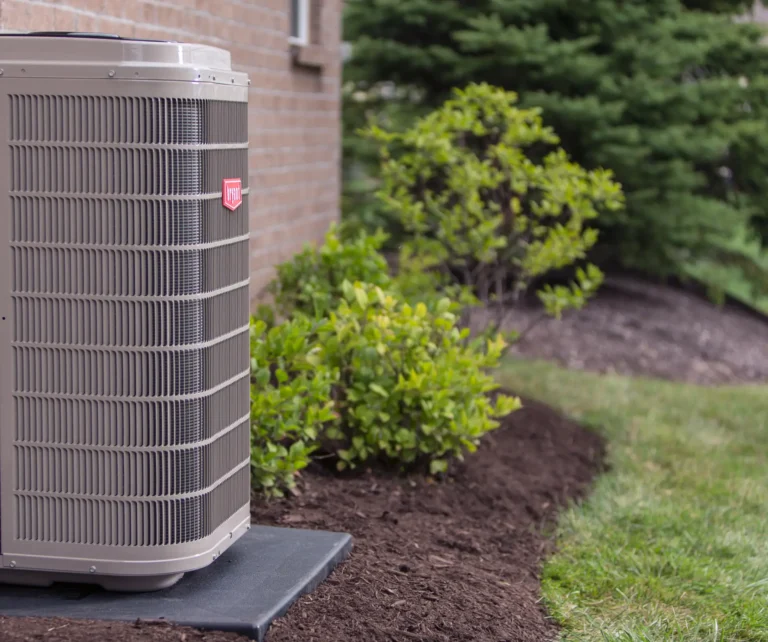
As temperatures begin rising in April and May, preparing your air conditioning system becomes essential before the summer heat arrives in full force. Start by scheduling professional inspection and cleaning of your outdoor condenser unit, which has likely accumulated debris, leaves, and dirt during the fall and winter months. At Lea Heating, we recommend checking refrigerant levels during this period, as low refrigerant can reduce cooling efficiency by up to 20% while increasing energy consumption significantly. Clean or replace air filters, inspect ductwork for leaks or damage, and test thermostat operation to ensure accurate temperature control when cooling season begins.
Indoor air quality considerations become particularly important during spring maintenance, as pollen counts rise and allergy sufferers need reliable filtration. Examining and cleaning evaporator coils prevents mold growth that thrives in the humid conditions common throughout Carpentersville and West Dundee during late spring. Testing condensate drain lines ensures proper water removal, preventing overflow issues that could damage ceilings, walls, or flooring when humidity levels peak. Additionally, lubricating moving parts, checking electrical connections, and measuring system airflow helps identify potential problems before they escalate into major repairs during the hottest months when you need cooling most.
Essential Fall Tasks for Winter Heating Readiness
September through November provides the ideal window for heating system preparation, allowing time to address any issues before freezing temperatures arrive. As a second-generation, family-owned HVAC provider, we’ve seen how proper fall maintenance prevents the majority of winter heating emergencies in communities like Algonquin and Sleepy Hollow. Begin by scheduling professional furnace inspection and cleaning, including thorough examination of heat exchangers for cracks or corrosion that could pose carbon monoxide risks. Replace furnace filters, check and clean burner assemblies, and verify proper ignition system operation whether you have pilot light or electronic ignition systems.
- Safety device testing: Verify carbon monoxide detectors function properly and test furnace safety switches
- Ventilation inspection: Clear obstructions from exhaust flues and intake vents to ensure proper combustion air supply
- Thermostat calibration: Program heating schedules and verify accurate temperature readings for optimal comfort and efficiency
Monthly and Quarterly Tasks Throughout the Year
Beyond major seasonal maintenance, establishing regular monthly and quarterly routines helps maintain peak HVAC performance while catching minor issues early. Monthly tasks include checking and replacing air filters when needed, as dirty filters force systems to work harder, increasing energy costs by 15% or more while reducing equipment lifespan. Inspect visible ductwork for damage, clear debris from around outdoor units maintaining at least two feet of clearance, and monitor unusual sounds or odors that might indicate developing problems.
Quarterly maintenance activities provide opportunities for more thorough system evaluation without the comprehensive scope of seasonal service calls. Clean supply and return vents throughout your home, check thermostat batteries if applicable, and test system operation in both heating and cooling modes during moderate weather. Document energy consumption patterns to identify efficiency losses that might indicate needed repairs or adjustments. These regular checkpoints help maintain the consistent performance that characterizes properly maintained HVAC systems while preventing the gradual degradation that leads to premature equipment replacement.
Creating Your Personalized Maintenance Schedule
Developing an effective maintenance calendar starts with understanding your specific equipment requirements and usage patterns. Different HVAC system types require varying maintenance frequencies, with heat pumps needing attention before both heating and cooling seasons, while traditional split systems might focus maintenance primarily on their most-used components. Factor in your home’s unique characteristics, including pet ownership affecting filter replacement frequency, proximity to construction sites increasing debris accumulation, and household size impacting system runtime hours. Recording maintenance activities, repair history, and energy consumption creates valuable data for optimizing your schedule while identifying recurring issues that might indicate needed upgrades or modifications to improve long-term reliability and efficiency.